
Could You Land a Plane Without Any Prior Training?


TL;DR: Proverbs divides men into four categories based on how they respond to truth: the simple (ignorant but teachable), the fool (knowledgeable but rebellious), the scoffer (beyond help, actively mocking wisdom), and the wise (humble and obedient). Most Christian men assume they're wise because they know Scripture, but wisdom isn't measured by what you know. It's measured by what you obey when confronted with correction.
The Simple: Lacks discernment but remains teachable. Believes everything, walks into danger, but can still learn.
The Fool: Knows better but refuses to obey. Stubborn, self-justifying, morally rebellious.
The Scoffer: Actively mocks wisdom and recruits others into rebellion. Pride blocks all correction.
The Wise: Loves correction, seeks accountability, measures himself by obedience, not knowledge.
You attend church. You read your Bible occasionally. You pray when things get hard. You think you're doing okay.
But Proverbs doesn't measure you by religious activity. It measures you by your response to truth.
And most men fail that test without even knowing it.
The book of Proverbs identifies four categories of men: the wise, the simple, the fool, and the scoffer. These aren't personality types. They're diagnostic categories based on how you respond when confronted with wisdom, correction, or danger.
The uncomfortable reality? Most Christian men think they're wise because they know Scripture, attend services, and avoid major scandal. But knowledge without obedience is well-educated foolishness.
Here's what separates the categories and where you actually stand.
What Is the Simple Man in Proverbs?
The Hebrew word for simple is pethi, which means to be opened up. The simple man is vulnerable and lacking discernment. He believes everything because he hasn't developed the ability to evaluate what he hears.
"The simple believes everything, but the prudent gives thought to his steps" (Proverbs 14:15).
The simple man walks into danger because he doesn't see it coming. He ignores warning signs. He's gullible. He accepts whatever is said without testing it against Scripture.
But here's the paradox: his ignorance is his only hope.
Because he believes everything, he can still believe the truth. He's territory being fought over. Lady Wisdom and Lady Folly both call out to him. Whoever is simple, let him turn in here (Proverbs 9:4, 16).
The simple man can learn when he sees what happens to foolish people. He's not yet hardened against correction. He can still be reached because his heart remains soft.
Most men start here. You don't know what you don't know. You haven't been taught boundaries, spiritual disciplines, or how to recognize danger. That's not the problem.
The problem is what you do when someone tries to teach you.
Key Point: The simple man's ignorance gives him hope. He lacks discernment but remains teachable. His response to instruction determines whether he moves toward wisdom or foolishness.
What Does It Mean to Be a Fool in Proverbs?
The Hebrew word kesil appears 49 times in Proverbs. It describes someone whose deficiency isn't in mental capacity but in heart humility. The fool has been instructed. He knows better. He refuses to obey.
While the simple lacks judgment, the fool has made his judgment and refuses to budge. He remains fixed in the correctness of his own opinion, which flies in the face of the established moral order.
The fool takes no pleasure in understanding, but only in expressing his opinion (Proverbs 18:2). The way of a fool is right in his own eyes, but a wise man listens to advice (Proverbs 12:15).
Even if you pound a fool in a mortar, grinding him like grain with a pestle, you won't remove his folly from him (Proverbs 27:22).
He's not stupid. He's stubborn. His problem isn't mental deficiency but moral rebellion.
I've worked with men who can quote Scripture, explain theology, and talk a good game. When you challenge them on their use of alcohol, their boundaries with women, or their financial decisions, they resist. They make excuses. They justify.
They know what's right. They won't do it.
That's not ignorance. That's foolishness.
How Do You Know If You're a Fool?
When faced with truth from Scripture, do you obey or do you explain why it doesn't apply to you?
When it comes to the Bible, you are not the exception to the rule. You are why the rule was written.
Obedience is the only option. Any man who fails to obey is a fool, regardless of how much knowledge he has.
Key Point: The fool isn't ignorant. He's rebellious. He knows the truth but refuses to submit to it. His defining mark is stubborn self-justification when confronted with Scripture.
What Is a Scoffer in the Bible?
The scoffer isn't content to be wrong alone. He actively recruits others.
The Hebrew root luwts means to make mouths at, someone who mocks with facial expressions and contempt. The scoffer speaks derisively as an authority to hook or ensnare others onto his own path.
He doesn't reject wisdom quietly. He actively opposes it by demeaning those who are wise. Scoffers delight themselves in scoffing (Proverbs 1:22). They thrive in pride.
The scoffer seeks wisdom and does not find it because the root of scorn is unbelief, and it blocks him from finding wisdom.
Most dangerous: he makes others feel powerful by getting them to join him on his path.
Strike a scoffer, and the simple will learn prudence. Reprove one who has understanding, and he will gain knowledge (Proverbs 19:25).
When a scoffer is punished, the simple becomes wise. But the scoffer himself? He gets dishonor when corrected and will hate you if you reprove him (Proverbs 9:7-8).
The Bible says to cast out the scorner. They are beyond hope and help. There's no help for the proud. Pride goes before destruction and a haughty spirit before a fall.
How to Recognize a Scoffer
You recognize a scoffer by how he responds to correction. A fool might resist or argue, but there's still some openness. A scoffer has moved past resistance into active mockery and contempt for wisdom itself.
He not only rejects correction but starts mocking the person offering it, laughing at what's right, and influencing others to do the same.
Key Point: The scoffer has crossed into active rebellion. He doesn't just reject truth. He mocks it, recruits others, and makes pride his identity. Scripture says cast him out because he's beyond reach.
What Makes a Man Wise According to Proverbs?
The wise man loves correction. He seeks it out. He surrounds himself with people who will tell him the truth, even when it's uncomfortable.
Reprove a wise man, and he will love you (Proverbs 9:8).
The wise man doesn't measure himself by what he knows. He measures himself by what he obeys. He understands that mental attitude, not mental capacity, classifies the man.
He asks his wife how he's doing as a husband. He opens himself up to correction and instruction from other godly men. He walks circumspectly, asking not only is this right or wrong, but is this wise.
He doesn't protect his private world at all costs. He invites accountability because he knows he has blind spots.
I once had a man tell me he had no blind spots. I told him that's why they're called blind spots, because you can't see them.
If you're self-sufficient and self-focused, you close yourself off to the help you need from other people God places in your life. If you're married, God has given you a spouse, and if she's a believer, she also has the Holy Spirit and has wisdom you should tap into instead of push away through excuses.
It all begins with admitting you don't have all the answers and you need God's help and the help of those He's put around you to be the man He has called you to be.
Key Point: Wisdom is obedience made visible. The wise man loves correction, seeks accountability, and measures his life by submission to truth, not accumulation of knowledge.
Why Most Men Misjudge Their Own Wisdom
Research reveals a stunning reality: participants scoring in the bottom quartile on tests of logic grossly overestimated their test performance and ability.
Their actual test scores placed them in the 12th percentile, yet they believed they performed at the 62nd percentile.
The issue wasn’t low intelligence, but a lack of self-awareness. The people with the least skill consistently overestimated their ability because they lacked the very skills necessary to recognize how poorly they were performing.
Meanwhile, 93% of Americans think they are better drivers than average, and 90% of teachers think they are more skilled than their peers. Mathematical impossibilities that reveal universal self-deception.
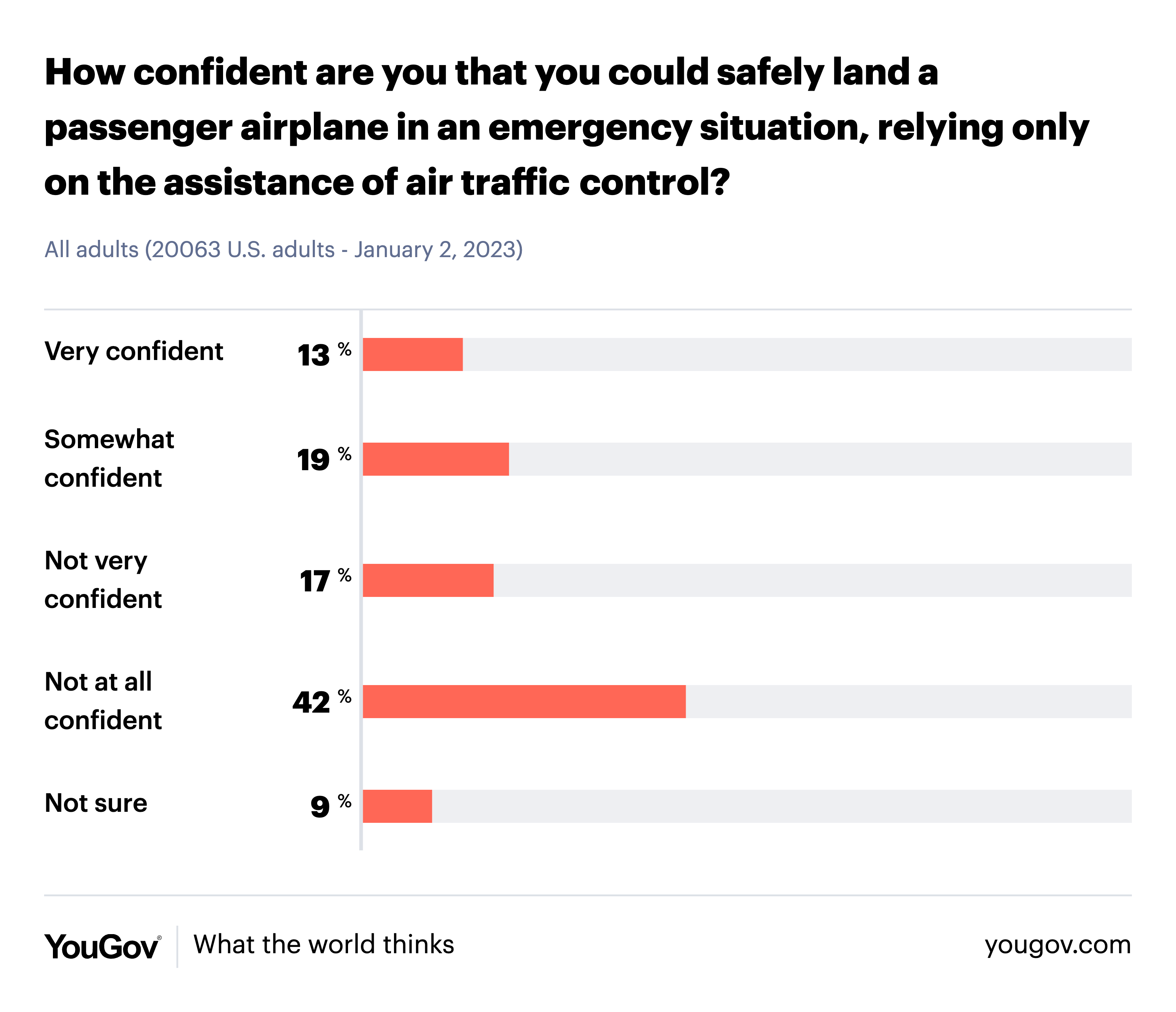
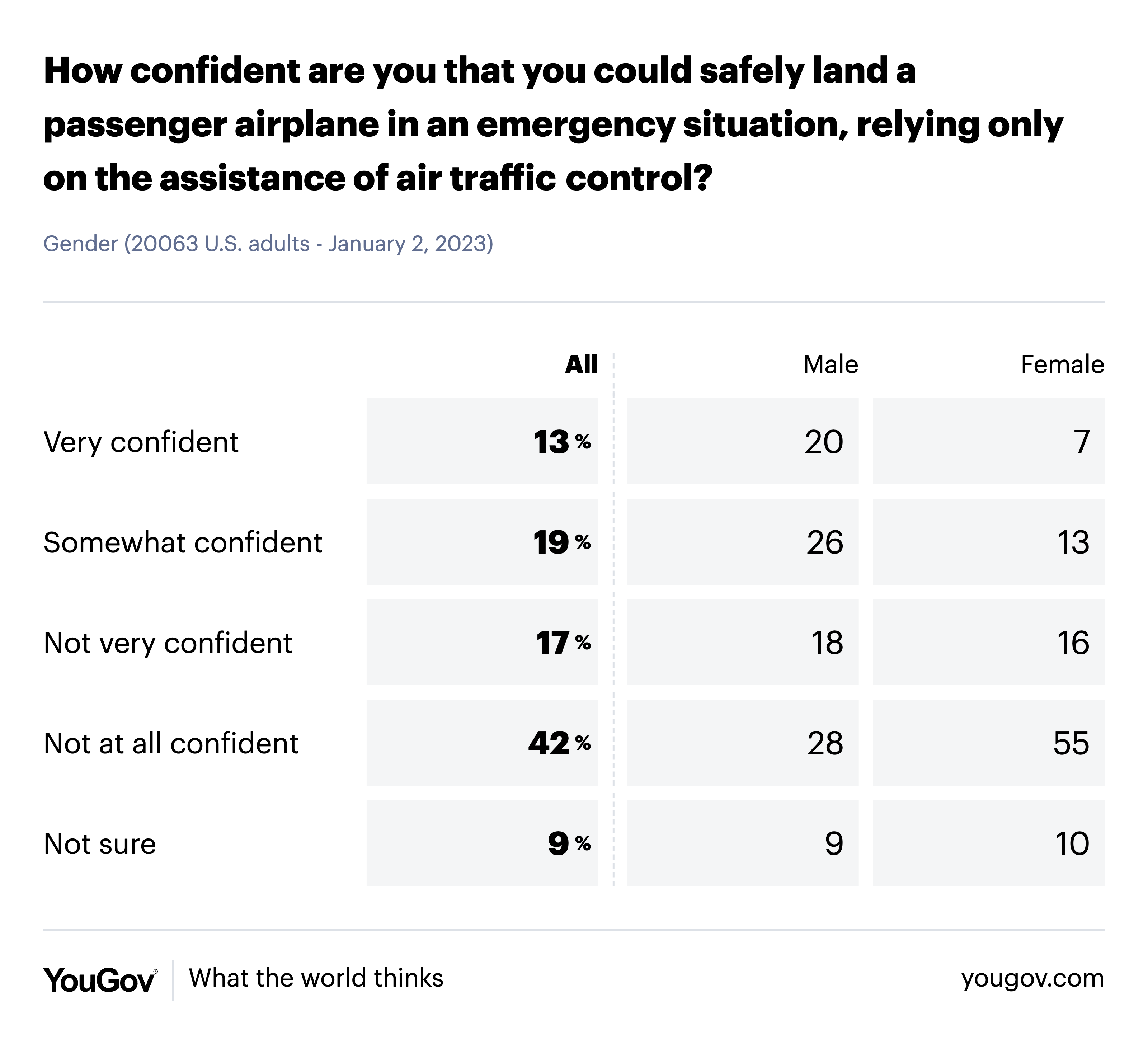
Get this! 32% of Americans surveyed felt some level of confidence that they could land a passenger airplane with only help from air traffic control. Crazier stat? 46% of men surveyed felt confident that they could make it happen.
The issue? You think you're wise. Your actual response to correction tells a different story.
When someone challenges you on your use of money, your boundaries with the opposite sex, or your spiritual disciplines, what's your first reaction? Defensiveness? Excuses? Justification?
That's not wisdom. That's foolishness dressed up in religious vocabulary.
Key Point: Self-assessment is unreliable. The least competent consistently overestimate their ability. Your response to correction reveals your true category, not your self-perception.
Can a Fool Become Wise?
Yes. But not by going backward.
The simple carries the understanding of ignorance. Once a fool has been instructed, he's no longer ignorant. He's rebellious. So while the simple can become fools by not adhering to warnings and instruction, the fool can never go back to being ignorant again. He will only be willfully rebellious.
But a fool can turn to be a wise man at any point as he repents and surrounds himself with the wisdom of God's Word and the wisdom of God's people.
There's a point of no return when the fool becomes a scorner. Until that line is crossed, repentance is possible.
The Difference Between a Fool and a Scoffer
The key difference is in how you respond to correction. A fool might resist or argue, but there's still some openness. He can be reached if you're patient.
I worked with a man I challenged on his use of alcohol. While he claimed it was only social and he never drank to excess, I encouraged him that alcohol doesn't help you become the man you want to be, and I encouraged him to give it up completely for the sake of his family and his testimony before his children.
He was humble and teachable and said he would give it a shot.
After three months, he came back and said he didn't realize how much of a stronghold alcohol had on his life. While he had earlier characterized himself as a social drinker, he now recognized he struggled with alcoholism as alcohol had always been a part of his life and he didn’t know who he was without it.
In giving up alcohol, he began to have a relationship with his wife he never thought possible, and he was more present for his children than he ever had been before.
That's what happens when a man moves from foolishness to wisdom. Not because he gained more knowledge, but because he submitted what he already knew to obedience.
Key Point: A fool can repent and become wise through humility and obedience. The scoffer is beyond reach. The line between them is pride. Cross into mockery and active rebellion, and you've entered dangerous territory.
Why Accountability Matters for Wisdom
A Barna Group national survey of Christians involved in churches discovered that only 5% indicated their church does anything to hold them accountable for integrating biblical beliefs and principles into their life.
Even among evangelicals, only 15% experienced any form of accountability.
The reason? Church leaders have a distaste for initiating confrontation, and followers confuse judgment with discernment. The result: men cherish privacy and freedom to the extent that being held accountable is considered inappropriate, antiquated, and rigid.
Without accountability, isolation becomes fertile ground for sin to grow.
You can't become wise in isolation. You need other men who will challenge you, correct you, and call you out when you're drifting.
If you don't have that, you're not protecting your freedom. You're protecting your foolishness.
Key Point: Only 5% of Christians experience real accountability. Without it, isolation breeds sin. Wisdom requires brotherhood, correction, and men who will confront you when you drift.
How to Identify Which Category You Occupy
You won't answer this question by evaluating what you know. You answer it by evaluating how you respond when someone challenges what you're doing.
The simple man is grateful for instruction and acts on it.
The fool resists, makes excuses, and does what's right in his own eyes.
The scoffer mocks the person offering correction and tries to recruit others to his rebellion.
The wise man loves correction and seeks it out.
Time and spiritual fruit will eventually be the proof. When faced with truth from Scripture, obedience is the only option.
Any man who fails to obey is a fool, regardless of how much knowledge he has.
Stop measuring yourself by what you know. Start measuring yourself by what you obey.
If you're not sure which category you occupy, ask your wife. Ask the men in your life who know you best. Ask them how you respond when they challenge you.
Their answer will tell you everything you need to know.
The question isn't whether you've been taught. The question is whether you've obeyed.
Frequently Asked Questions
What is the difference between a simple man and a fool in Proverbs?
The simple man lacks discernment because he hasn't been taught. The fool has been instructed but refuses to obey. Ignorance versus rebellion. The simple can learn. The fool knows better but won't submit.
Can a fool become wise again?
Yes. A fool can repent and become wise through humility and obedience to God's Word. He can't go back to being simple (ignorant), but he can move forward into wisdom by submitting what he knows to obedience. The key is whether he remains open to correction or crosses into scoffing.
What does the Bible say about scoffers?
Scripture says to cast out the scoffer (Proverbs 22:10). The scoffer is beyond help because pride blocks all correction. He doesn't just reject wisdom. He mocks it, hates those who offer it, and actively recruits others into rebellion. There's no help for the proud.
How do I know if I'm wise or foolish?
Your response to correction reveals your category. When someone challenges you with Scripture or godly counsel, do you get defensive, make excuses, and justify yourself? That's foolishness. Do you receive it, examine yourself, and obey? That's wisdom. Don't measure yourself by what you know. Measure yourself by what you obey.
Why is accountability important for becoming wise?
You can't become wise in isolation. Proverbs repeatedly shows that wisdom comes through receiving correction, counsel, and rebuke from others. Without accountability, you only see what you want to see. Blind spots stay hidden. Sin grows unchecked. Accountability creates the environment where truth can confront you and transformation can happen.
What percentage of Christians have real accountability?
According to Barna Group research, only 5% of Christians say their church holds them accountable for integrating biblical beliefs into their lives. Even among evangelicals, only 15% experience any form of accountability. Most men cherish privacy over transformation.
Is there hope for someone who has been a fool for years?
Yes. As long as you haven't crossed into scoffing (active mockery and recruiting others into rebellion), repentance is possible. The path forward is humility, surrounding yourself with God's Word and God's people, and choosing obedience over self-justification. Wisdom isn't about erasing the past. It's about submitting the present to truth.
What is the main lesson of the four categories in Proverbs?
Mental attitude, not mental capacity, determines your category. Wisdom isn't measured by how much Scripture you know. It's measured by how you respond when confronted with truth. Obedience is the only proof that matters.
Key Takeaways
Proverbs divides men into four categories based on response to truth, not knowledge accumulated. The simple lacks discernment but remains teachable. The fool knows better but refuses to obey.
The scoffer actively mocks wisdom and recruits others into rebellion. Pride makes him unreachable. The wise man loves correction and measures himself by obedience, not information.
Most men misjudge their own wisdom. Research shows the least competent consistently overestimate their ability. Your response to correction reveals your true category, not your self-perception.
A fool can become wise through repentance and obedience. He can't return to ignorance, but he can move forward into wisdom by submitting what he knows to obedience. The line between fool and scoffer is pride.
Only 5% of Christians experience real accountability. Without it, isolation breeds sin and blind spots remain hidden. Wisdom requires brotherhood and men who will confront you when you drift.
The diagnostic question is simple. When faced with truth from Scripture, do you obey or do you explain why it doesn't apply to you? Obedience is the only option. Any man who fails to obey is a fool, regardless of how much knowledge he has.
Stop measuring yourself by what you know. Start measuring yourself by what you obey. Ask your wife and the men who know you best how you respond to correction. Their answer will tell you everything you need to know.
JOIN THE ONLINE BROTHERHOOD
If you haven't joined The Vanguard online community, you should. Connect with like-minded men who want to be better than they were yesterday.